Classical Music and Literature: How Song and Story Enrich a Child’s Education
In this article, Jessica Tancredi explores the relationship between music, language, and storytelling, beginning with the creation stories of C.S.

In this article, Jessica Tancredi explores the relationship between music, language, and storytelling, beginning with the creation stories of C.S.
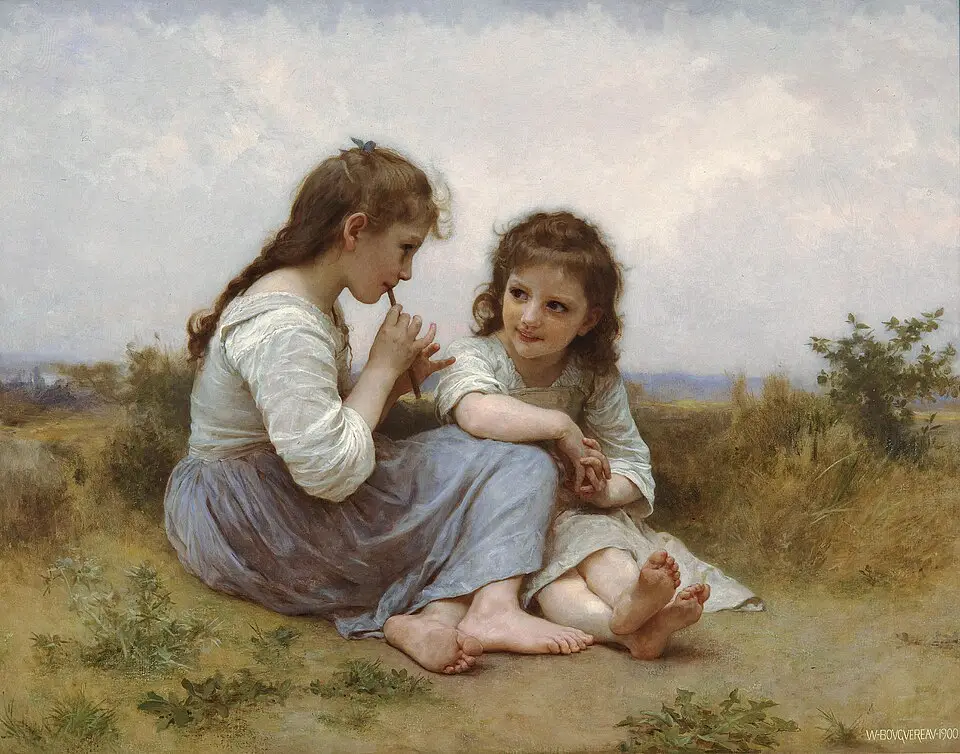
In this article, pianist and music educator Siliana Chiliachka explores how children learn to truly think in music. Drawing on
The Vital Place of Classical Music in Your Homeschool If you know the importance of including classical music in your

In Salzburg I experienced first hand the possibility of high caliber art and ordinary life fused together in a life-giving affirmation that beauty belongs to everyone, everywhere, in every station and every chapter of life.

One of my favorite memories of hearing live music as a child was seeing the world acclaimed violinist Sarah Chang perform Tchaikovsky’s Violin Concerto. Most vivid in my memory was the cadenza – when for 5 minutes it was just Sarah Chang and her violin without orchestral accompaniment.
The power and virtuosity of the solo violin blew me away, but then the beauty of hearing the re-entrance of the theme and orchestra…this struck me deeply as a child and to this day serves as an example to me of the power of classical music to reflect the human & eternal story on a grand scale that truly transports the listener.

My childhood record player sampled amazing music from across the globe: Folk, Bluegrass, Cajun, Big Band, Rock n Roll, Jazz, Blues, Americana, Broadway, Classic Country, Pop, Classical—I loved it all, and am so grateful for the exposure to the rich variety of genres. But I instinctively knew that classical took me to a sphere that no other genre could take me to. When we played a record of classical, I wanted to peer inside its waves of sound, to participate in the story it told.

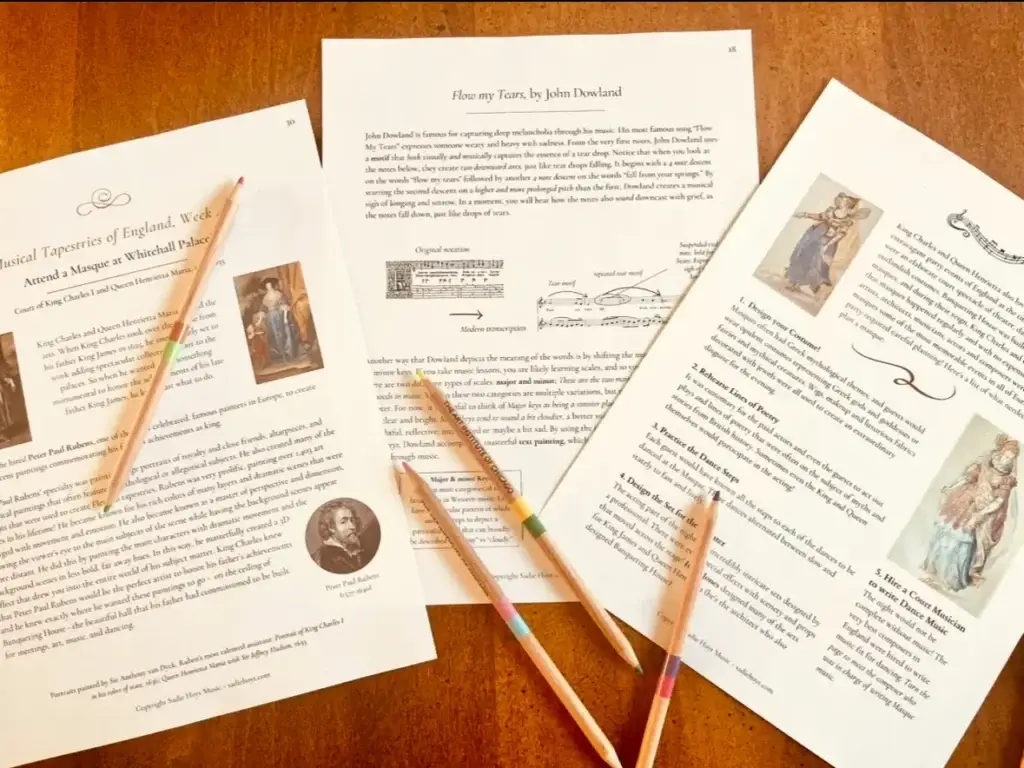
Coloring or drawing along to powerful works of music is one of the best ways to engage your child’s hands and mind at the same time.
Through a tactile activity such as coloring or drawing, the child’s mind will remain receptive to the power of music, while they actively create something inspired by the music they hear, whether that be creating something entirely their own through drawing, or completing a picture through coloring.

Gathering around the piano during the holidays is a beautiful thing. To have someone in the family who can accompany the family’s singing on the keys – this is a precious gift, one that truly makes the house glow with the magic of Christmas.

As a piano teacher to 30 kids, I know all too well the challenge that parents face to instill consistent practice habits in the home. The reason kids resist practicing is usually because they practice sporadically. But all it takes is committing to a few minutes daily to see the transformation from “I have to practice” to “I get to practice” and to see it take off in someone as an expressive art form they can speak fluently and joyfully.
Research has shown that piano lessons can help boost children’s focus, discipline, and creativity, as well as improve their cognitive abilities and overall academic performance.